
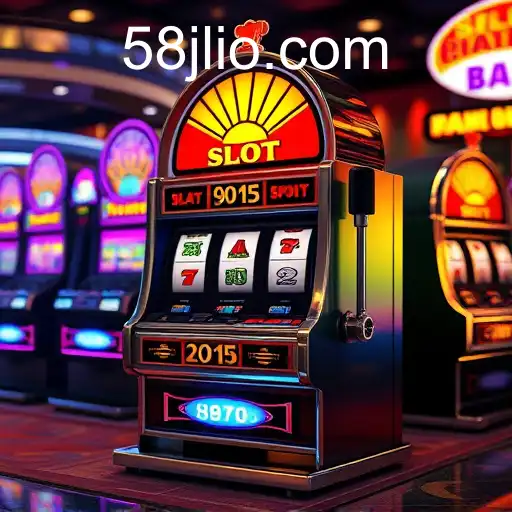
58JL | The Evolution of Slot Machines: From Liberty Bell to Digital Thrills
58JL’s Explore the fascinating history and evolution of slot machines from their inception in the late 19th century to the digital age. Dive into their design changes, internet boom, and the future of gaming technology, while uncovering the psychological and economic factors behind their allure.
The World of Slot Machines: An Intriguing Dive
Slot machines have been a quintessential component of casinos around the globe for over a century. They captivate through their vibrant lights, enticing sounds, and what some call the 'thrill of the spin'. Despite various evolutions in design and mechanics, slot machines remain a beloved form of entertainment.
The Origins of Slot Machines
The journey of slot machines began in the late 19th century. Charles Fey, often credited with the invention, introduced his first creation, the Liberty Bell, in 1895. This three-reel device was simplistic by today’s standards. It featured symbols that remain iconic in slot machines: horseshoes, diamonds, spades, hearts, and the bell itself, which led to the machine’s name. The simplicity and mechanical nature of these early machines laid the groundwork for decades to come.
Evolution in Design
From mechanical reels to digital displays, slot machines have undergone a substantial evolution. Early adaptations kept the basic principle timeless but introduced new elements like electromechanical versions in the 1960s. Bally Technologies took the lead with machines that included electronic components, adding features like additional sounds and bigger payouts. The transition from mechanical to video slots marked a pivotal moment, ushering a myriad of themes and interactive features that broadened the appeal and engagement levels of the machines.
The Rise of Digital Slots
The digital revolution of the 1980s and 1990s revolutionized slot machines. The advent of microprocessors and graphical screens enabled game designers to incorporate themes offering immersive experiences. These machines brought iconic characters, storylines, and innovative features such as bonus rounds and progressive jackpots. Digital slots provided more flexibility, enabling designers to offer various winning combinations and enhanced payout structures.
Slot Machines and the Internet: The Online Casino Boom
The internet brought a significant transformation in how people access slot machines. Online casinos, burgeoning in the mid-90s, allowed players to engage with slots from the comfort of their own homes. Today, the options are vast and varied, with countless themes and styles designed to attract a broad audience. Online slots eliminate geographical restrictions, enabling users globally to interact in real-time. Advanced algorithms ensure fairness and random outcomes, vital for maintaining trust and integrity.
Regulation and Fair Play
With the growing popularity of slot machines, regulation became essential to ensure fair play and transparency. Gaming commissions and licensing entities work to prevent fraud and guarantee that games operate fairly. Modern slot machines utilize a Random Number Generator (RNG), ensuring each spin is independent and equally likely to result in a win, integral for maintaining the trust of the players.
The Psychology Behind Slot Machines
Understanding what makes slot machines so compelling is a fascinating glimpse into human psychology. The integration of reward systems, designed around variable reinforcement, taps into players' desire for unpredictability and suspense. The colorful visuals and immersive audio were engineered to keep the audience engaged. These elements contribute to what many describe as an exhilarating experience that captivates millions.
The Economics of Slot Machines
Slot machines represent a substantial portion of casino revenues. Their attraction is undeniable, with hundreds, if not thousands, lined in casinos. Operators value slots for their low maintenance and potential high returns. Constraints like payout rates and machine placement are carefully analyzed to maximize profitability without compromising player satisfaction.
Future Trends and Innovations
The future of slot machines will likely see continued integration of technology. Virtual and augmented reality, for example, offer incredible potential. These technologies could transform how players interact with machines, adding layers of immersion and interactivity. Blockchain and cryptocurrencies are gradually finding their way into the gambling scene, promising enhanced security and novel transaction methods.
Conclusion
The allure of slot machines is perennial, with strong ties to entertainment and innovation redefining their edges. Whether mechanical relics of the past or their contemporary digital counterparts, slot machines continuously evolve, embracing technology that enhances playability and accessibility. As they transform alongside technological advances, one certainty remains: the irresistible charm and excitement they provide. For more information about their role and prominence in modern entertainment, visit our homepage.
